The $28 Bowl of Noodles Doesn't Lie: Inside the Brutal Math Driving SF Chefs Out of Their Own City
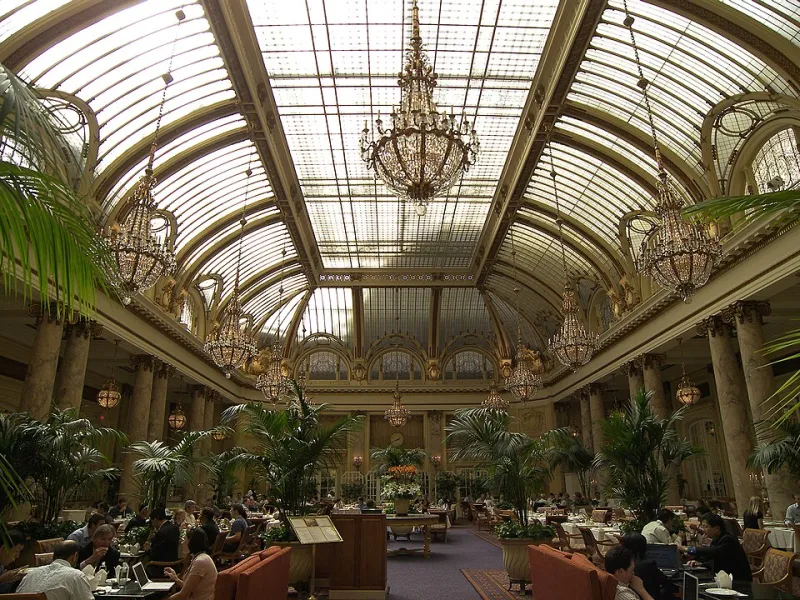
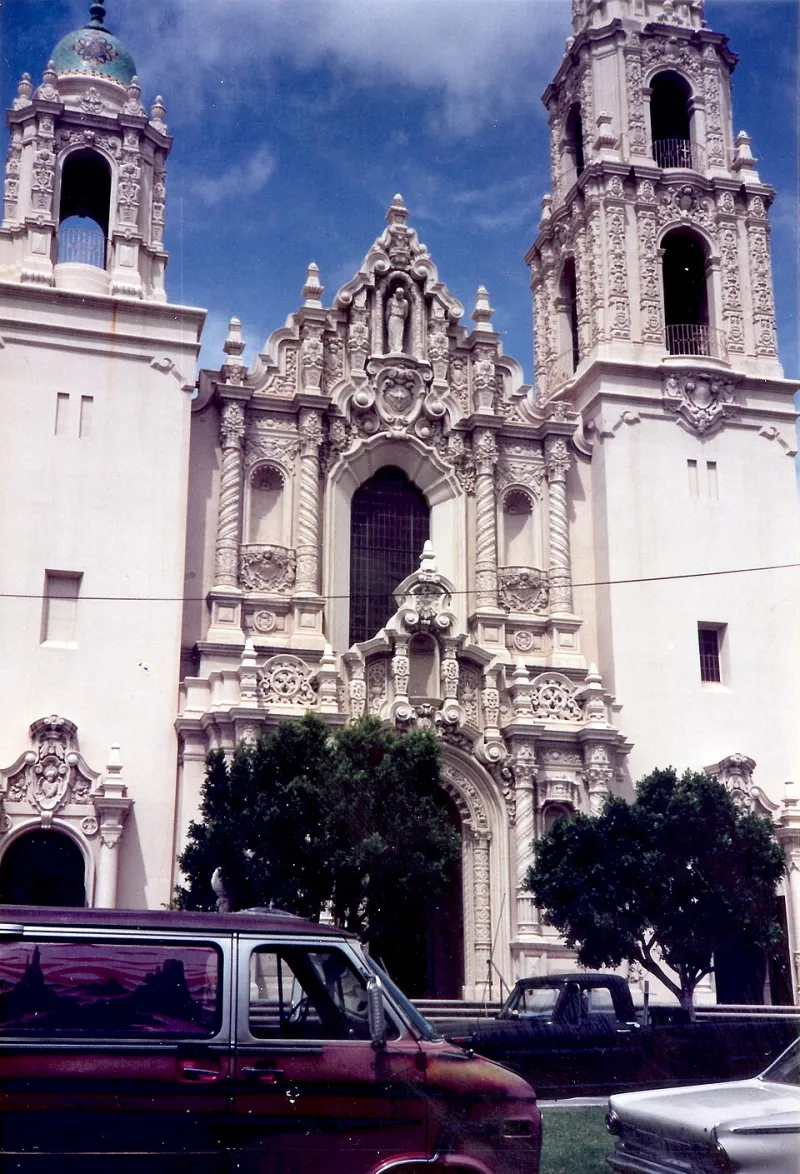
Photo: Larry D. Moore, CC BY 4.0, via Wikimedia Commons
Let's start with a bowl of noodles.
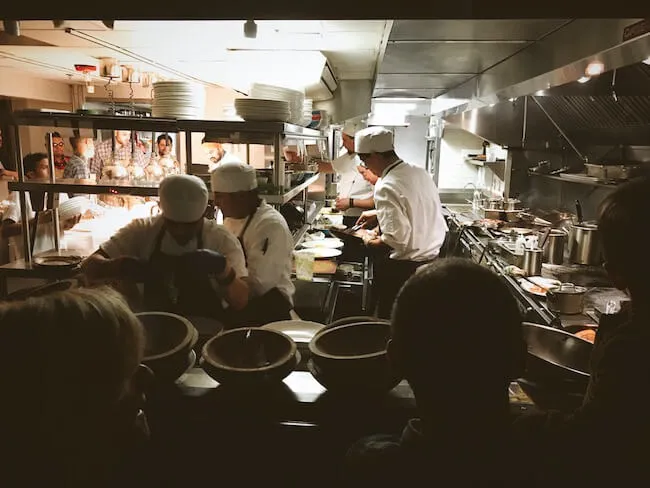
Not a lobster bisque. Not a dry-aged wagyu situation with microgreens and a story about a small farm in Marin. Just noodles. Broth. Maybe a soft egg and a few slices of pork if you're lucky. Twenty-eight dollars, please. Cash or card?
You blink. You pay it. You slurp it. It's good — genuinely, soul-repairingly good — and you still spend the walk home doing the math in your head, feeling vaguely swindled by a city you chose to live in.
Here's the thing: you weren't swindled. The chef probably cleared about four dollars on that bowl after everything shook out. And they're exhausted.
The Invisible Tax on Every Plate
San Francisco has always been expensive. That's not news. What's changed in the last several years is the compounding nature of the costs — a perfect financial storm where every single input to the restaurant equation has become more punishing, simultaneously, with no relief valve in sight.
Start with rent. A modest restaurant space in the Mission or the Richmond — nothing fancy, maybe 1,200 square feet — can run anywhere from $8,000 to $15,000 a month depending on the block, the landlord's mood, and how many tech-adjacent businesses are bidding against you. That number alone, before you've turned on a burner or hired a single person, eats through revenue in ways that would make your accountant weep into their kombucha.
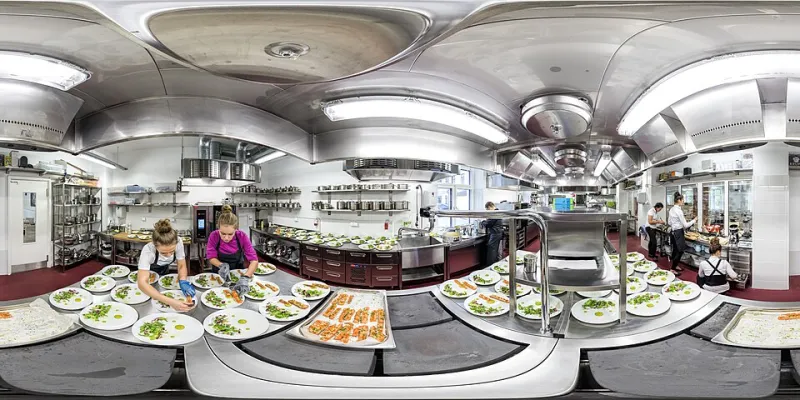
Then layer on labor. California's minimum wage has climbed steadily — correctly, for the record — but the restaurant industry, which has always operated on fantasy-thin margins, hasn't had time to adapt its fundamental business model. A kitchen crew in SF running five days a week, with legal overtime, benefits, and the sick leave requirements the city mandates, can cost a small restaurant north of $25,000 a month in wages alone. Front of house on top of that. And before anyone comes for us: those workers deserve every cent. The problem isn't the wages. The problem is that the math was already broken before wages went up.
What the Produce Aisle Is Doing to Your Menu
Food costs in San Francisco exist in their own special circle of financial hell. The city is surrounded by some of the most productive agricultural land on Earth — the Central Valley, Sonoma, the Santa Cruz coast — and somehow, getting that food into a restaurant kitchen costs more here than almost anywhere else in the country.
Distribution markups are part of it. So are the fuel costs baked into every delivery. So is the premium that suppliers charge because they know SF restaurants are, historically, willing to pay for quality. Organic heirloom tomatoes from a farm two hours south don't get cheaper because they're local. They get more expensive because the story is worth something, and everyone in the supply chain knows it.
One chef — who has been cooking in the city for over a decade and asked not to be named because they're still negotiating their lease situation — put it plainly: "I used to pay $1.80 a pound for the pork shoulder that goes in my broth. Last year it hit $4.10. My bowl of noodles didn't double in price. It couldn't. Customers would walk. So I just... ate it. For two years I ate it."
They've since opened a second location. In Oakland.
The Relocation Math That's Reshaping the Bay
This is the part of the story that doesn't make the food press often enough: the quiet exodus. Not the splashy closures that get a mournful Instagram post and 4,000 likes. The quieter, more strategic departures — chefs and restaurant groups who love San Francisco enough to stay in the Bay Area, but can no longer afford to cook honestly inside city limits.
Oakland has absorbed a significant wave of this talent. So have parts of the East Bay and certain pockets of the South Bay. The math is just different across the bridge. Rent that would buy you a broom closet in Hayes Valley gets you a real kitchen in Temescal. Labor costs are the same — California law applies statewide — but the volume of customers needed to break even is lower when your fixed costs aren't obscene.
The cruel irony is that this migration is making those neighborhoods better and more interesting food destinations, while slowly draining SF of the scrappy, independent culinary energy that made it worth eating in to begin with. The city is left with two tiers: restaurants that can survive on expense account dinners and tourists who don't know better, and restaurants that are one slow month away from a closure announcement.
Honest Food Versus the Honest Price
Here's where it gets philosophically uncomfortable. The $28 bowl of noodles isn't a scam. It might actually be underpriced. If that chef charged what the math truly demands — full labor costs, real rent amortization, food cost at current market rates, plus a margin that allows the business to survive a slow February — you'd be looking at $34, $36, maybe more. And at that price point, the restaurant becomes something different. It becomes a special occasion. And noodle soup was never supposed to be a special occasion.
The food that built San Francisco's reputation — the taquerias, the dumpling houses, the pho spots, the bánh mì counters — was never supposed to be expensive. Its genius was in its accessibility. You could eat brilliantly in this city for not much money, and that democratic quality was part of what made the culture real. What made it worth defending.
That version of the city is under genuine threat. Not from bad chefs or lazy restaurateurs, but from a cost structure that has made honest, affordable food functionally impossible to sustain.
What's Left, and What's Worth Fighting For
None of this means you should stop eating out in San Francisco. It means you should eat with your eyes open.
Tip properly. Order the dish that sounds unglamorous. Go back to the places that are still standing after ten years, because surviving a decade in this city's restaurant economy is an act of sheer will that deserves your loyalty. Stop waiting for a table at whatever opened last month and go find the chef who's been quietly cooking the same perfect thing for fifteen years in a room that seats twenty-two people.
And maybe — just maybe — reckon with the fact that the $28 bowl of noodles is the city telling you something true about itself. This is what it costs to exist here. This is what it costs to make something real.
The noodles are still worth it. The question is whether the city is willing to do anything to keep the people making them from leaving.