Priced Out of the Plate: The Slow Death of SF's Hole-in-the-Wall Culture (And the Last Survivors Worth Finding)
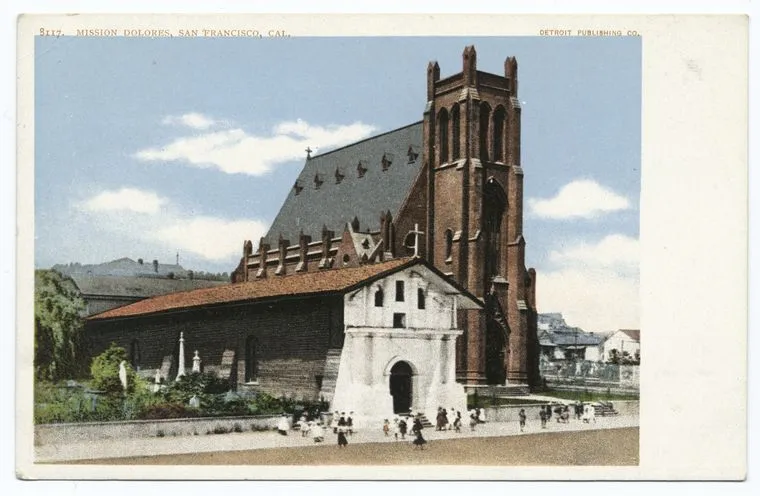
Photo: Detroit Publishing Company, CC BY-SA 4.0, via Wikimedia Commons
Let's set the scene. A 78-year-old Vietnamese woman has been making the same beef noodle soup since 1987. The broth takes 14 hours. The price has barely moved in a decade because she knows her neighbors, she knows her regulars, and she doesn't particularly care what a food blogger thinks. Then one Tuesday, someone posts a Reel. By Thursday, there's a line around the block full of people who drove in from the Marina and are going to rate it three stars because the parking was bad.
This is the loop SF's most beloved cheap eats are now trapped in. And nobody's winning — not the owners, not the neighborhoods, and definitely not you, standing in a 45-minute queue for a banh mi that used to take 90 seconds to grab on your way to work.
How a Bowl of Soup Becomes a Content Asset
Instagram didn't invent food tourism. But it industrialized it. What used to spread by word of mouth over years — the Cantonese BBQ spot in the Richmond that your coworker's uncle swore by, the Salvadoran pupusa counter in the Mission that didn't have a sign — now goes viral in 48 hours and never fully recovers.
The mechanics are straightforward and kind of depressing. A dish photographs well. Someone posts it. The algorithm rewards visual novelty. Suddenly a family-run Tenderloin lunch counter that seated 12 people comfortably is fielding calls from Eater, getting review-bombed by people who waited too long, and trying to figure out if they should hire a second person or just close earlier.
Some owners adapt. Some cash in. Some quietly fold because the attention brought problems they didn't ask for — higher foot traffic attracting landlord interest, lease renegotiations, neighborhood friction. The dish stays the same. Everything around it changes.
The Hype Tax: Which Dishes Are Actually Worth It
Not all viral food is a lie. Some of it is genuinely excellent and was always going to be discovered eventually. The trick is knowing the difference between a dish that earned its moment and one that's riding pure aesthetic.
Worth every bit of the hype: The soup dumplings at certain Sunset District spots that have been quietly perfecting their craft since before XLB was a personality type. The char siu at the old-school Chinatown roasters that still hang their product in the window like it's 1975 and don't apologize for it. The al pastor at the taquerias that have been feeding Mission residents since the neighborhood was actually affordable. These places got popular because the food is extraordinary. The line is annoying. Go anyway.
Riding the algorithm, not the flavor: The aesthetically plated "elevated" version of a working-class dish, now served in a minimalist space with a $22 price point and a two-week waitlist. The fusion concept that exists primarily to be photographed. The boba shop that is technically fine but has a 90-minute wait because the cups have a cute design. You know the type. You've probably been to one recently. We don't have to name names.
The Map Nobody's Posting (Yet)
Here's the part where we give you actual information instead of just complaining about the internet.
Outer Sunset and Inner Richmond: These two neighborhoods are doing the most work right now for anyone who wants to eat exceptionally well without performing it. The density of family-run dim sum spots, Vietnamese sandwich counters, and Taiwanese breakfast joints that haven't been "discovered" yet is genuinely remarkable. Walk down Irving Street or Clement Street on a weekday morning and just follow your instincts. If the menu is laminated and the TV is on a Chinese soap opera, you're probably in the right place.
The Tenderloin: Chronically underrated, occasionally uncomfortable, and home to some of the most legitimate Southeast Asian food in the city. The Tenderloin's Little Saigon stretch has been feeding San Franciscans for decades and remains stubbornly resistant to the gentrification aesthetic, partly because the neighborhood itself hasn't been fully absorbed yet. Eat here now. Eat here loudly. Tell your friends who actually want good food, not your followers.
Excelsior District: The most honest neighborhood in San Francisco, which is probably why nobody's written a glossy feature about it yet. Filipino fast-casual, Mexican bakeries, Nicaraguan spots that don't have websites — this is the part of SF where people eat because they're hungry, not because they're curating a personality. The food reflects that. It's direct, it's generous, and it costs what food should cost.
Visitacion Valley: Even further off the radar, and that's precisely the point. The Cantonese and Southeast Asian spots down here operate in near-total obscurity relative to their quality. If you make the trip — and you should — you'll eat well and feel briefly, guiltily smug about it.
The Owners Caught in the Middle
Here's the part that doesn't get talked about enough: the people actually running these places have complicated feelings about all of this, and their feelings are valid in every direction.
Some owners are exhausted by the attention and would give anything to go back to serving their regular customers in peace. Others see an opportunity and are trying to figure out how to capitalize on a moment before it passes. A few have deliberately raised prices — not to cash in, but to manage the volume, to keep the lines from destroying the quality, to make the math work when rent goes up because a landlord saw the Yelp reviews.
One Mission taqueria owner told us, with considerable diplomacy, that she appreciates new customers but misses the days when she knew everyone's order before they opened their mouth. That's not nostalgia talking. That's a business model built on community getting stress-tested by strangers.
We're not here to tell you not to go to these places. The opposite, actually. Go. Spend money. Tip generously. Treat the staff like humans. Just maybe don't post about it — or if you do, have the self-awareness to understand what you're participating in.
How to Eat in SF Without Being the Problem
A few practical notes from people who have been eating in this city for a long time:
Go on a Tuesday. Go at 11am or 2pm. Go alone or in pairs, not in groups of eight with a shared Google Doc itinerary. Learn a few words of whatever language the staff speaks to each other. Order the thing that isn't on the English menu. Don't photograph your food for five minutes before eating it. Tip more than you think you should.
And if you find somewhere genuinely extraordinary — somewhere that feels like it's still operating on its own terms, feeding its community, charging fair prices, not performing for anyone — maybe sit with that for a minute before you make it everyone's problem.
Some things are better when they're just yours. Or rather, when they're the neighborhood's. Which is how they were supposed to work in the first place.
Naked Lunch SF doesn't publish specific addresses for spots that haven't asked for the attention. You know how to use your feet. Go find them.