Opened Hot, Closed Fast: The Brutal Economics Behind SF's Restaurant Graveyard
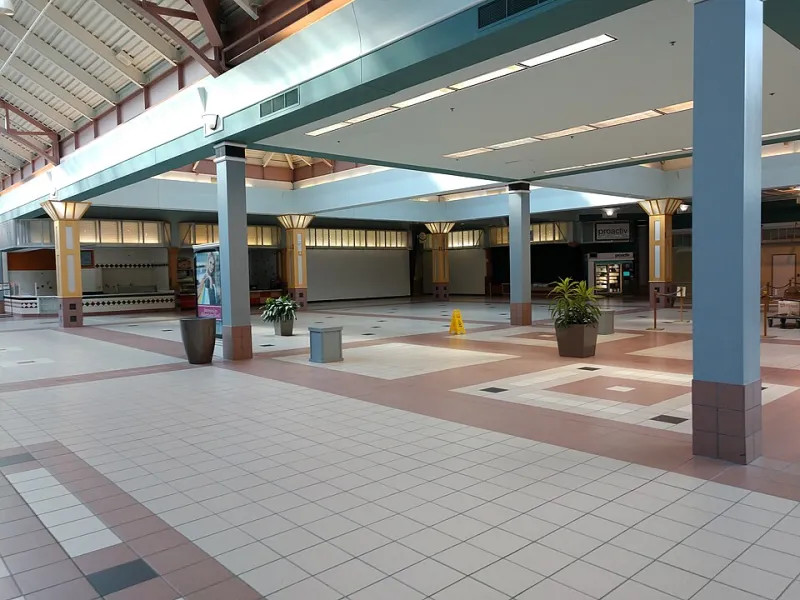
Photo: WikiPediaAid, CC BY-SA 4.0, via Wikimedia Commons
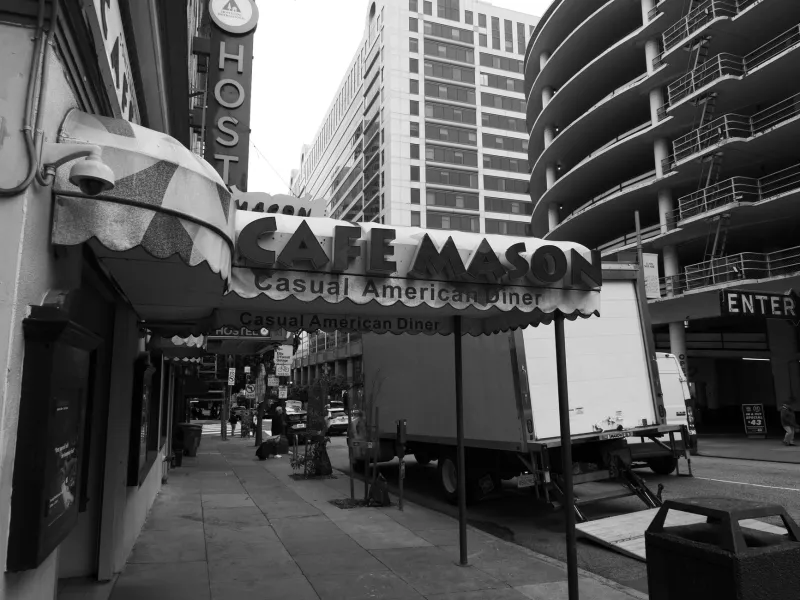
There's a particular kind of heartbreak unique to San Francisco. It's not a breakup or a layoff — though this city has plenty of both. It's the moment you walk past a restaurant you loved, or maybe just bookmarked to try someday, and find a paper sign taped to the door. "Thank you for your support." A QR code linking to an Instagram post with 847 broken-hearted emoji in the comments. Another dream, composted.
SF doesn't just have a restaurant failure problem. It has a restaurant failure ecosystem — a perfectly calibrated machine that chews up concepts, spits out leases, and somehow keeps convincing the next wave of hopeful chefs that this time will be different. Spoiler: it usually isn't.
We went looking for answers. What we found was messier, sadder, and way more interesting than a simple "the rent is too damn high" story.
The Hype-to-Heartbreak Pipeline
Let's start with the pattern, because it's almost insultingly predictable once you've seen it a few times. A chef with serious credentials — maybe a Michelin-starred kitchen in their past, maybe a viral TikTok moment, maybe just really good PR — announces a new concept. The food press salivates. A reservation waitlist appears before the doors even open. Instagram fills with soft-launch photos shot through a haze of natural light and wood smoke.
Then, somewhere between month three and month eight, the vibe shifts. The waitlist evaporates. The PR goes quiet. A Yelp review mentions that the place felt "half-empty on a Saturday." And then: the sign.
This isn't a new phenomenon, but the speed has accelerated. Industry veterans will tell you that a restaurant used to get eighteen months to find its footing. Now? Some places are cooked before they've even dialed in their brunch service.
"The margin for error has basically collapsed," says one Mission District landlord who's cycled through four restaurant tenants in six years — and who asked not to be named because, as he put it, "I still have to live in this neighborhood." "I'm not the villain here. I'm also not making money. We're all losing."
What Actually Kills Them
Talk to enough people who've been through the SF restaurant wringer and a few culprits keep surfacing — sometimes in combination, always with devastating effect.
The lease. Commercial rents in SF are not for the faint of heart or the thin of margin. A mid-sized space in Hayes Valley or the Castro can run $15,000 to $25,000 a month before you've turned on a single burner. Restaurants typically operate on margins between 3% and 9%. You do the math, because the failed restaurateurs definitely did — and then opened anyway, betting on volume that never materialized.
The staffing spiral. Post-pandemic SF hospitality labor is a different animal. Experienced line cooks command wages that would have seemed like management salaries a decade ago. That's not a complaint — people deserve to be paid — but it's a structural reality that hasn't been fully absorbed into how restaurants are priced or funded. "We were paying fairly and we were proud of that," one former restaurant owner in the Tenderloin told us. "We just couldn't figure out how to charge enough to sustain it."
The concept mismatch. SF diners are adventurous but also, paradoxically, deeply habitual. They'll travel across the city for a specific bowl of noodles or a particular bakery's kouign-amann. But a new spot with a vague "California coastal" identity and a $28 entrée average? That's a much harder sell. The city rewards specificity. Ambiguity gets punished.
The neighborhood lottery. Open in the wrong block and no amount of good food will save you. SF's foot traffic patterns are hyperlocal and sometimes baffling. A restaurant that would thrive on Valencia Street might starve two blocks over. Several people we spoke with mentioned choosing their location based on where they could get a lease rather than where their concept actually made sense. That's a recipe for quiet failure.
The Ghost of Concepts Past
Walk through SoMa on a Tuesday afternoon and count the empty storefronts. Some of them still have menu boards visible through the glass, or a bar rail that nobody's leaned on in two years. These aren't just failed businesses — they're a kind of culinary fossil record, preserving the ambitions of a moment that passed too quickly.
What's interesting is which concepts tend to survive. The places that make it in SF usually have one of a few things going for them: a deeply loyal neighborhood base built over years (not months), a genuinely differentiated product that people will go out of their way for, a counter-service or fast-casual model that sidesteps the brutal economics of full-service dining, or an owner who has somehow managed to own — not rent — their space.
That last one is increasingly the secret weapon. The restaurants with real longevity in this city are often the ones where the founder bought the building in 1987 and has been operating on a different economic planet ever since. It's not exactly a replicable model for the next generation.
What the Wreckage Tells Us
Here's the uncomfortable read: SF's restaurant failure rate isn't just an economic problem. It's a signal. The city has made it structurally difficult to take the kind of risks that produce genuinely exciting food culture. When the cost of failure is catastrophic and the margin for success is razor-thin, rational people stop swinging for the fences. They open a third location of something that already works. They go ghost kitchen. They leave.
Some of the most creative culinary talent in the Bay Area has quietly decamped to Oakland, to the East Bay, to places where the rent-to-ambition ratio is slightly less insane. That's a loss SF hasn't fully reckoned with.
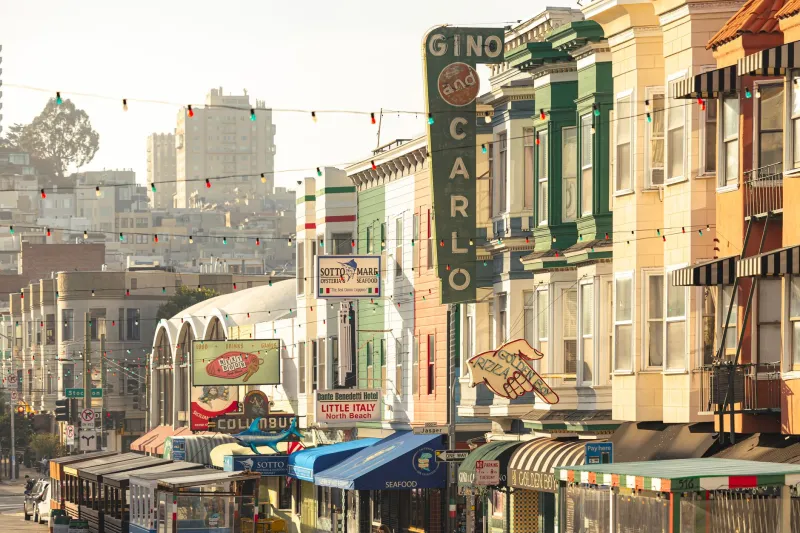
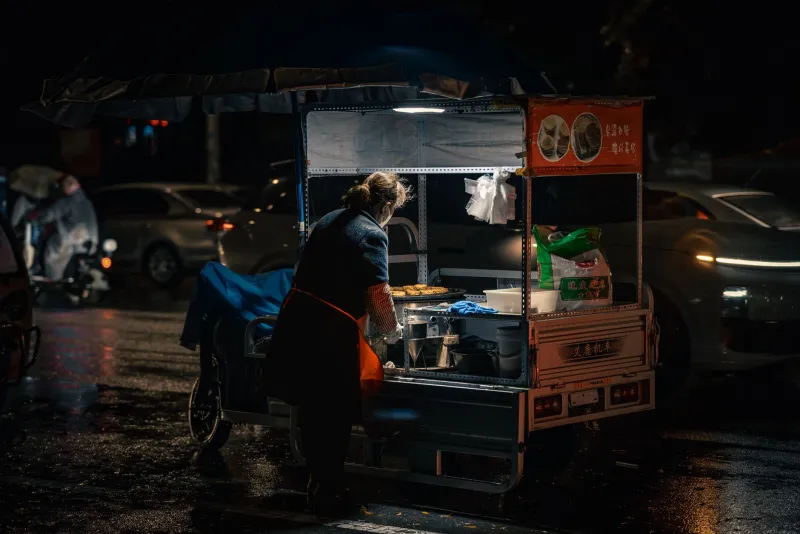
And yet. Walk through the Ferry Building on a Saturday morning. Eat a breakfast burrito from a cart in the Mission at 9 AM. Find the unmarked door that leads to the best Sichuan food you've ever had in your life. The city's culinary pulse is still there — stubborn, weird, alive.
The Next Wave
The restaurateurs who seem most clear-eyed about SF's future are the ones who've already failed once. They've internalized the math, survived the grief, and come back with leaner concepts, realistic projections, and zero patience for the kind of magical thinking that sinks first-timers.
"I wouldn't open a full-service restaurant in SF right now," says a chef who shuttered a well-reviewed Richmond District spot in 2023 after eighteen months. "But I'd do a counter concept. I'd do a pop-up residency. I'd find a bar that needs a kitchen and make it work that way. The city still wants good food. It just can't afford the infrastructure we used to build around it."
That's not a eulogy. It's an adaptation. And if SF's dining scene has proven anything over the decades, it's that it adapts — messily, expensively, and with a body count that would horrify any reasonable person — but it adapts.
The graveyard keeps growing. The next restaurant is already signing its lease somewhere. No reservations required.