Skip the Line, Find the Real Spot: A Neighborhood-by-Neighborhood Guide to Eating Like an Actual San Franciscan
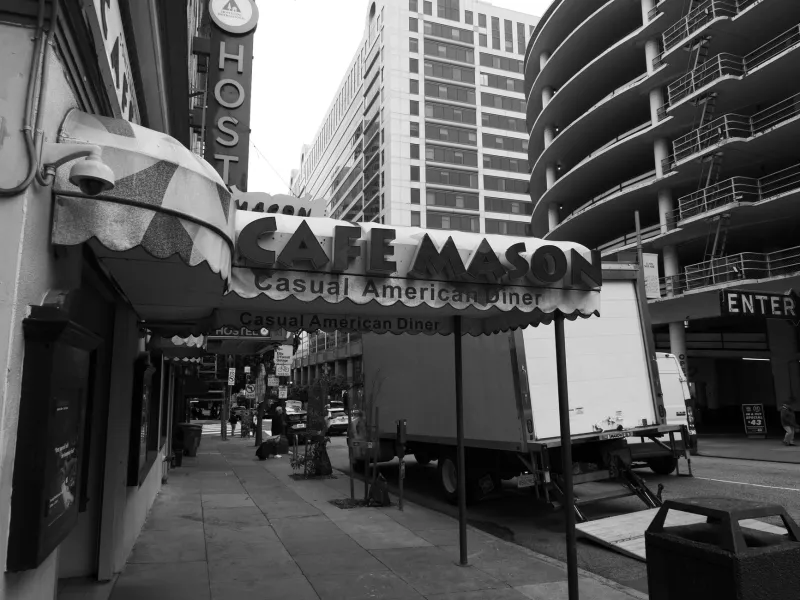
Every city has its tourist food problem, but San Francisco's version is particularly acute. This is a place where a mediocre clam chowder served in a bread bowl can command a forty-five-minute line and zero self-reflection. Where restaurants with celebrity chef names attached to them and zero celebrity chef presence serve food that a competent line cook could replicate on a Tuesday. Where entire neighborhoods get curated into a version of themselves designed for visitors, and the actual residents quietly relocate their eating habits two blocks away.
This guide is for the people who want the second version. The one that doesn't have a TripAdvisor badge.
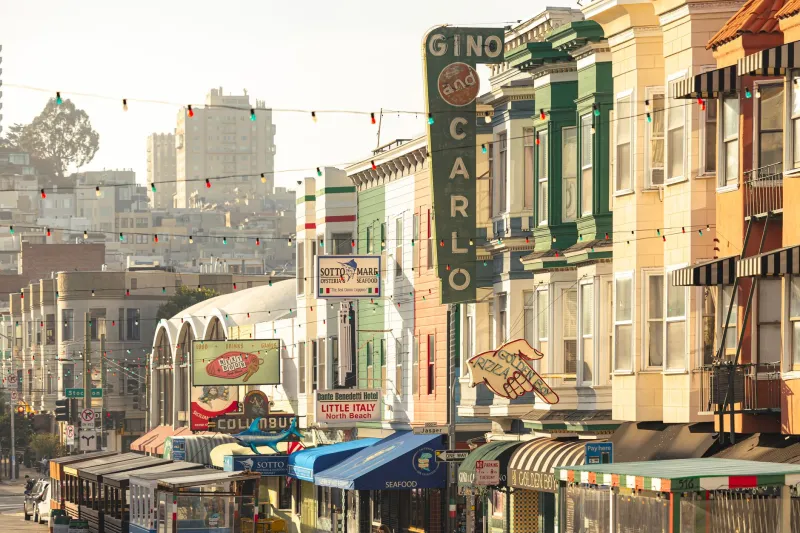
The Fisherman's Wharf Problem (And Where to Eat Instead)
Let's get the obvious one out of the way. Fisherman's Wharf is not where San Franciscans eat seafood. It is where San Franciscans go to watch other people eat seafood while looking vaguely uncomfortable about the prices. The clam chowder in the sourdough bread bowl is fine in the way that airport pizza is fine — it technically constitutes food and won't ruin your day, but it represents a profound squandering of opportunity in a city with actual great seafood.
The move is the Sunset District. Specifically, the stretch of Irving Street between 9th and 20th Avenues, where you'll find a rotating cast of small seafood operations, Japanese spots doing exceptional things with fish, and a general attitude that flavor matters more than location. Nobody's going to sell you a souvenir magnet here. They're just going to feed you well.
Alternately: the Ferry Building on a Tuesday or Thursday morning, before the weekend crowds turn it into a photoshoot backdrop. Get there early, buy something from the farmers market, eat it standing up. That's the authentic version.
The Mission: What's Worth It and What's a Vibe-Only Situation
The Mission has a complicated food identity right now. It's simultaneously one of the best eating neighborhoods in the city and one of the most subject to hype inflation. The lines outside certain brunch spots on Valencia Street are a sociological phenomenon more than a culinary endorsement — people queue because other people are queuing, and somewhere along the way the eggs became almost beside the point.
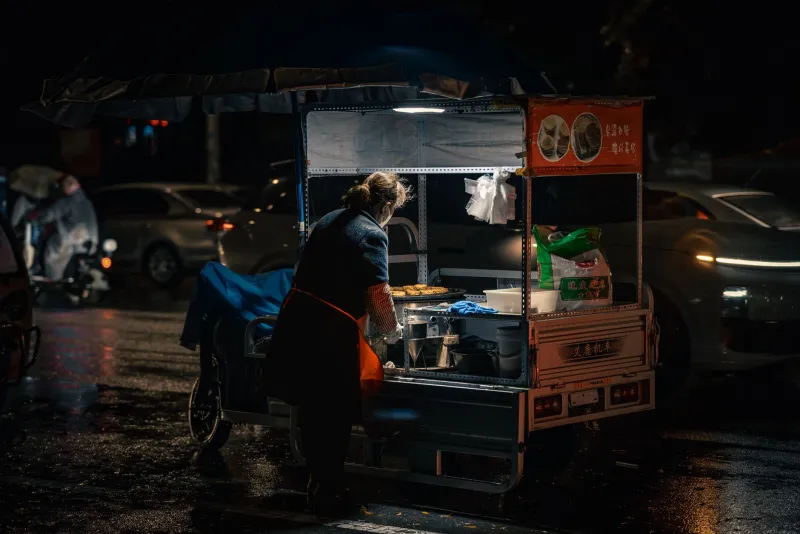
Here's what locals actually do: they eat burritos on Mission Street, not Valencia. The taquerias between 16th and 24th on Mission proper — the ones that don't have neon signs, the ones where the menu is hand-written on a whiteboard and nobody speaks to you in a curated way — those are the spots. The super burrito at a no-frills taqueria that's been in the same spot for twenty years will beat any trendy wrap situation in the neighborhood on flavor, price, and the general feeling that you're participating in something real.
For sit-down, the Mission's Central American restaurants are chronically underrated relative to the Mexican spots that get all the attention. Pupusas, tamales, and the kind of slow-cooked stews that require commitment and time — these places exist quietly and excellently throughout the neighborhood.
Chinatown vs. the Richmond: Where the Food Actually Is
San Francisco's Chinatown is historically significant and worth walking through, but as a dining destination for people who want the best Chinese food the city offers, it's been eclipsed. The Richmond District — both Inner and Outer — is where the city's Chinese, Vietnamese, Thai, and Burmese food scene has concentrated, and it's genuinely one of the best Asian food corridors in the country.
Clement Street is the spine of it. Walk from Arguello to about 12th Avenue and you'll pass more good food per block than most American cities have in total. Dim sum spots that don't require reservations or Instagram presence. Vietnamese sandwich shops where the bánh mì costs four dollars and tastes like it should cost forty. Burmese restaurants where the tea leaf salad alone justifies the trip across town.
Tourists don't find the Richmond because it doesn't look like what they expect San Francisco to look like. It's not scenic in the postcard sense. It's just a neighborhood full of people eating exceptionally well, which is honestly more interesting.
Hayes Valley: Mostly Vibes, Some Exceptions
Hayes Valley has successfully convinced a lot of people that it's a food destination when it's really more of a design-object destination with food attached. The storefronts are beautiful. The coffee shops have exceptional natural light. The restaurants are largely fine in a way that costs significantly more than fine should cost.
The exceptions are real, though. There are a handful of genuinely excellent spots in Hayes Valley that earn their price points — a French bistro that's been there long enough to have regulars who've been coming for fifteen years, a wine bar that takes its small plates seriously. The trick is ignoring everything that opened in the last two years with a minimalist logo and focusing on places that have survived long enough to prove themselves.
Noe Valley and the Castro: The Neighborhood Restaurant Sweet Spot
This is where SF locals actually go for reliable, unpretentious, genuinely good neighborhood dining. Neither area is particularly glamorous from a food-press perspective, which is precisely why they work. The restaurants here serve their immediate communities — they can't rely on tourist traffic or Instagram discovery to survive, so they have to actually be good.
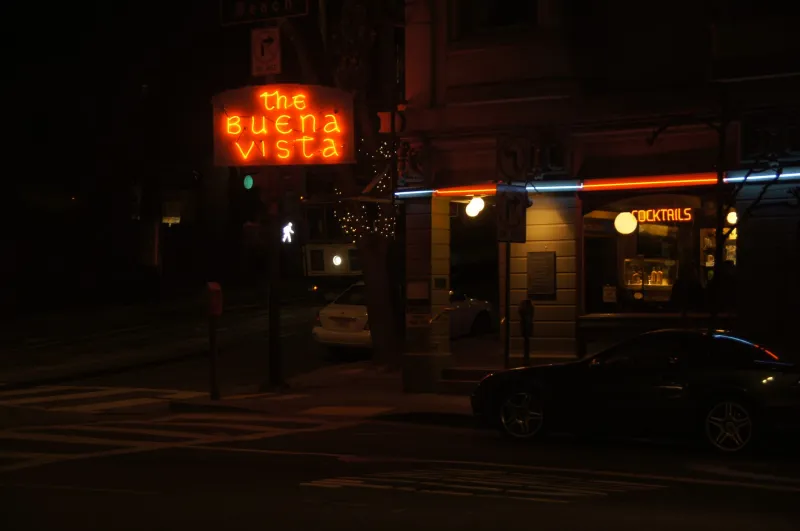
The Castro in particular has a collection of neighborhood restaurants that punch well above their profile. Thai spots, old-school diners, a couple of excellent pizza situations, and bars that serve food that's better than it needs to be. None of it will show up on a national best-restaurants list. All of it will make you full and happy.
The Honest Summary
San Francisco's best food isn't hidden, exactly. It's just located outside the zones that tourism infrastructure has decided you should care about. The formula is pretty consistent: the further you get from the waterfront and the major hotel clusters, the better and cheaper the food gets, and the more likely you are to be eating next to someone who actually lives there.
The city's real dining culture is neighborhood-scaled, unpretentious, and genuinely diverse in a way that the curated visitor experience doesn't always capture. It rewards people who are willing to take the bus somewhere that isn't on the standard itinerary and walk into a place that doesn't have a waiting list.
The bread bowl will still be there when you get back. It'll be fine. But you'll know what you missed.