The Real Chef's Table Is Backstage: A Week Inside SF Staff Meals
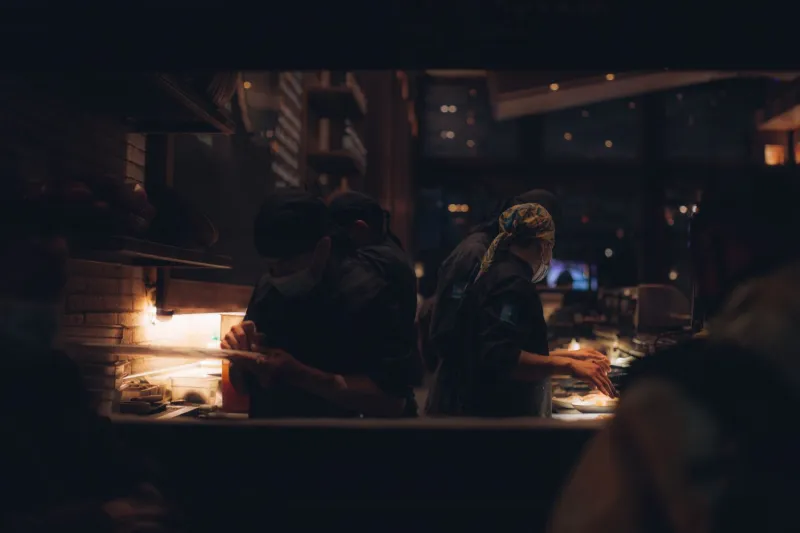
At 4:45 in the afternoon, before the first ticket prints and the dining room fills with people photographing their food, something better than the menu happens. The line cooks gather. Someone cooks. Nobody pays. And for twenty minutes, a restaurant eats the most honest meal it will serve all day.
It's called family meal, or staff meal, and it is the restaurant industry's open secret: the food workers make for each other, with no margins, no plating, no Yelp, is often the best cooking in the building. We spent a week in three San Francisco kitchens to find out what's actually on the table — and what regulars can learn from it.
Monday: The Taqueria, 3:45 PM
The prep cooks at a Mission taqueria eat at 3:45, hours before dinner service, because the dinner rush eats at 11 PM. Today it's caldo de pollo — a whole chicken, the bruised tomatoes nobody would serve a customer, the ends of the cilantro bunches, the gnarly carrots. Scraps, technically. It tastes like someone's grandmother is in the back, because someone's grandmother basically trained the person who is.
"The customer gets the pretty burrito," one cook told me, ladling a third bowl. "We get the truth."
The regular's version: You can't order the caldo. But you can order the pozle on weekends when it appears, and you can ask for the sopas — the soups that never make the menu board. Ask. Politely. In Spanish if you can. The answer is sometimes yes.
Wednesday: The New American Spot, 4:30 PM
This is the restaurant with the $34 entrées and the natural wine list. Family meal is where the produce dies with honor: the kale stems pickled, the whey from the house ricotta turned into a bread dough, the fish collars — a cut so good the kitchen quietly resents selling the fillets — grilled over the line's open flame with whatever salsa verde was left from service.
The chef de cuisine made what she called "wrong fried rice": day-old rice, the trim from the duck breast station, an egg situation, fish sauce, scallion butts. It was, without exaggeration, better than anything on the printed menu. When I said so, she shrugged. "There's no cost control on this dish. That's why it's good."
That's the whole thesis of staff meal in one sentence. The dishes you pay for are engineered — for food cost, for consistency, for the pass. The dishes nobody pays for are just... cooked. By good cooks. With love and leftovers.
The regular's version: Order the off-cuts. Collars, oysters, wings, the cheek, the neck. Ask your server what the kitchen likes to eat. Then order that. The kitchen will know you know.
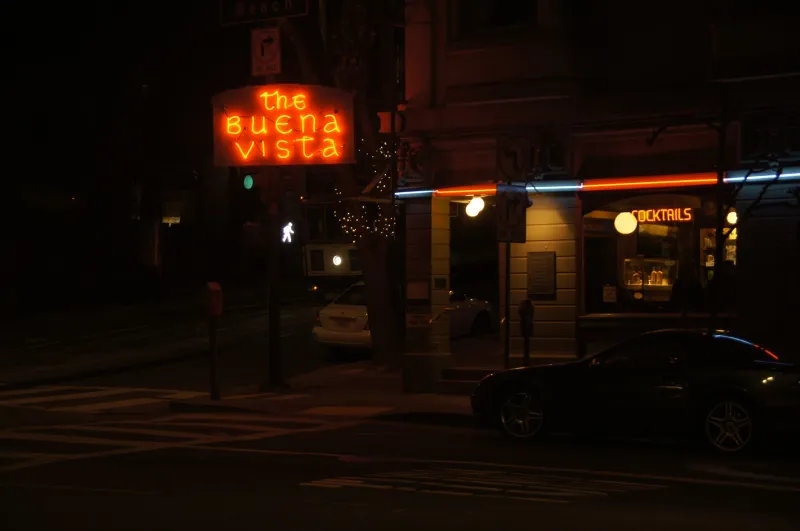
Friday: The Late-Night Bar Kitchen, 11 PM
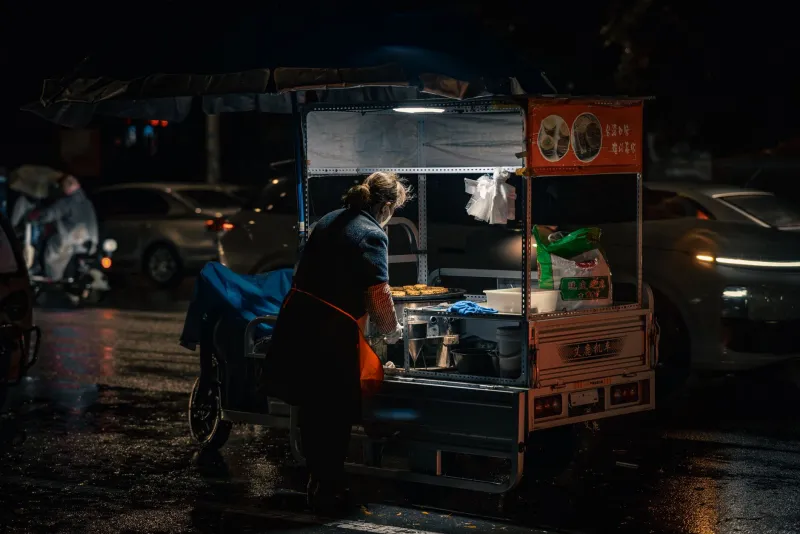
The kitchen behind a dive bar in the Tenderloin serves food until 1 AM, and its staff meal happens at 11, wedged between rushes, eaten standing up in the alley with the door propped open. Tonight: carne asada fries, made from the day's trim, the ends of the guacamole container, a bag of the good tortilla chips someone's cousin drops off.
The dishwasher — who, in every kitchen we visited, eats first and eats best, because that's the rule and if you break it the kitchen stops functioning — went back for seconds before the line cooks finished their firsts. Nobody said anything. That's the system working.
The regular's version: Late-night bar food is staff meal for the public. The menu is short, the cook is cooking for themselves at that hour, and the fries come out criminally good at 12:40 AM. Tip like you understand what hour it is. They do.
What Staff Meal Teaches You About Eating Out
Three kitchens, three cuisines, one lesson: the best food in a restaurant is the food with no audience. The cooking that happens when nobody's paying is where technique meets thrift meets genuine hunger, and the result is the kind of food that made everyone in this industry fall in love with cooking in the first place.
So here's the field guide, distilled:
- Eat late and eat early. The meals closest to staff meal hours — 3 PM, midnight — get the kitchen's most personal cooking.
- Ask what the kitchen eats. Servers know. If they tell you, order it. Always.
- Respect the scraps. The dishes built on trim, bones, stems, and day-old rice are where the flavor lives. Cheap cuts, deep flavor — that's not a hack, that's the entire history of cooking.
- Be nice to the dishwasher. You will never meet them, but they are the most important person in the building, and everyone who matters knows it.
The next time you're in a restaurant at the weird hour, watching a line of cooks hunched over bowls of something you can't order, know that you're looking at the best meal in the house. Take the L to the Mission, order the off-menu soup, tip in cash, and remember: the menu is a suggestion. The kitchen is the truth.