Your $80 Bottle of Wine Costs the Restaurant $18. Let's Talk About That.
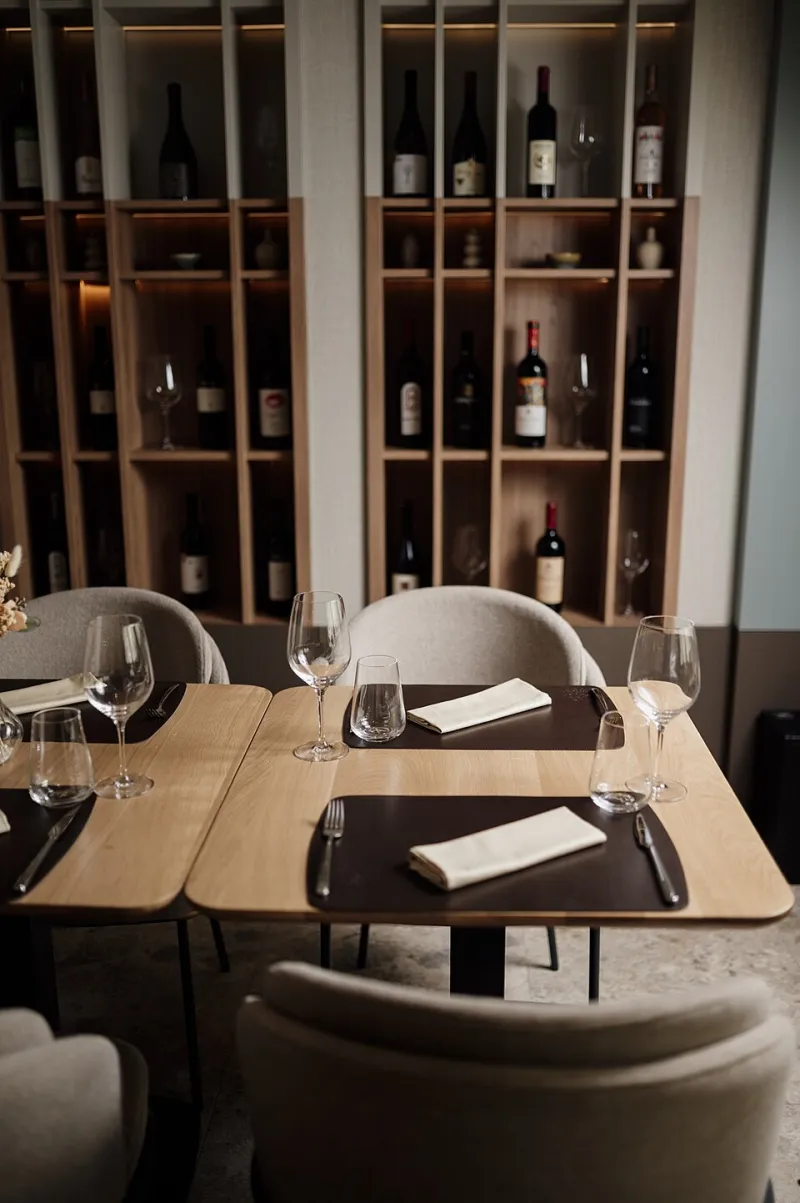
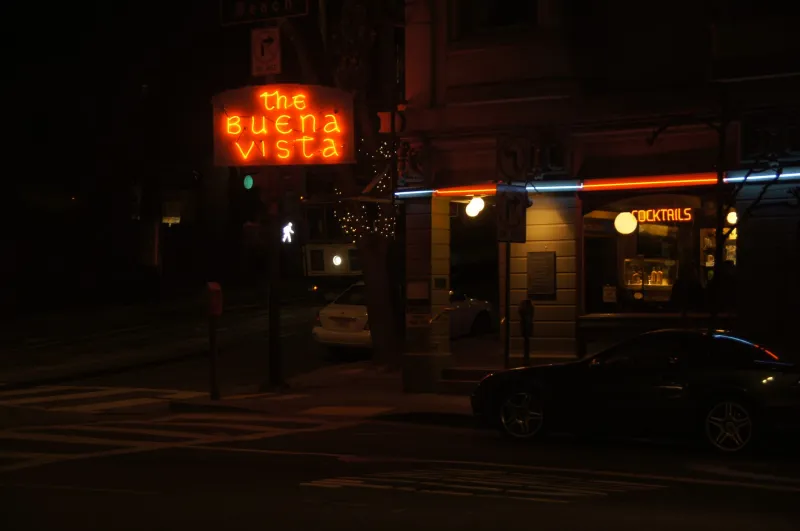
Photo: Shixart1985, CC BY 2.0, via Wikimedia Commons
There's a moment every San Francisco diner knows. You've sat down, you've opened the menu, and then someone hands you the wine list. It's laminated, or leather-bound, or printed on recycled cardstock that silently communicates the restaurant's entire personality. You scan the columns. You find something that looks reasonable. And then a little voice in the back of your head whispers: wait, didn't I see this exact bottle at Trader Joe's for twenty-two bucks?
You did. You absolutely did.
Welcome to San Francisco's wine markup economy, where the standard industry "three times retail" rule has quietly become "four times retail," and nobody at the table is saying anything because nobody wants to be the person who makes a scene about wine prices at dinner. This city has perfected the art of making you feel uncultured for noticing you're being robbed.
The Math Nobody Wants to Do Out Loud
Let's be real about how this works. A restaurant buys wine at wholesale, which typically runs 20 to 40 percent below retail. A bottle you'd find at K&L Wine Merchants for $25 probably costs the restaurant somewhere between $14 and $18. Standard industry markup — the one that's been considered fair for decades — lands that bottle on the menu around $50 to $60. That's already a significant jump, but it covers storage, glassware, service, and the whole theatrical production of someone presenting a bottle to you like you've just been handed a newborn.
Except in San Francisco right now, that same bottle is hitting menus at $80, $90, sometimes north of $100. That's not covering costs. That's a profit center masquerading as hospitality.
"The rationalization is always the same," says one sommelier who works at a mid-range Hayes Valley spot and asked not to be named because, shockingly, they'd like to keep their job. "Rent went up. Labor went up. Everything went up. So the wine list becomes the place you quietly make back margin without anyone noticing. Nobody argues about wine prices the way they'd argue about a $45 entrée."
And that's exactly the point.
The Justification Industrial Complex
Ask a restaurant owner about their wine markup and you'll get a masterclass in reframing. You'll hear about the cost of a proper cellar program. About the sommelier's education and palate. About the curated selection that took years to develop. About how the restaurant needs to survive, and wine is how that happens.
Some of this is true. Running a serious wine program in San Francisco is genuinely expensive. Good sommeliers command good salaries. Proper storage isn't free. And yes, the economics of SF restaurants are brutal in ways that would give a normal person night sweats.
But there's a difference between a markup that reflects real costs and a markup that reflects the discovery that diners will pay almost anything if the room looks nice enough. The latter is what's happening in a depressing number of places across this city, and the wine list has become the primary vehicle for it.
"There's a tier of restaurant in SF right now that has genuinely excellent food, mediocre wine programs, and absolutely predatory list prices," says Marcus Webb, a wine educator who leads private tastings in the Mission. "They're betting that you're already committed to the evening, you've already mentally spent the money on the meal, and you're not going to do the math on the Grenache."
He's right. We don't do the math. And the restaurants know it.
The Spots That Are Actually Playing Fair
Here's where it gets interesting, because not everyone is operating a markup racket. There's a small but genuinely exciting group of SF restaurants and wine bars that have decided transparent, reasonable pricing is actually a competitive advantage — because enough diners have wised up that honest lists get rewarded with loyalty.
Bar Sprezzatura in the Tenderloin prices almost everything at two times wholesale, which in practice means you're finding genuinely interesting natural wines in the $40 to $55 range that would cost you $28 at a retail shop. That's a fair deal. You're paying for the room, the glasses, and the person who can tell you why this particular orange wine from Friuli is worth your attention.
Similarly, a handful of neighborhood Italian spots in the Outer Sunset have built cult followings partly by keeping their house pours honest — actual drinkable wine at prices that don't require a second look at your bank balance before ordering a second bottle. Revolutionary concept.
"The restaurants that are going to survive long-term in this city are the ones where people feel like they got a fair shake," says one Noe Valley wine bar owner who's been in the business for eleven years. "If someone leaves feeling like they got taken, they don't come back. If they leave feeling like they found something great at a price that made sense, they're back in two weeks and they brought three friends."
How to Not Get Played
Until more restaurants figure out that decency is good business, here's the actual survival guide for navigating SF wine lists without feeling like a mark.
Know your reference points. Spend twenty minutes in K&L, Bi-Rite, or any decent wine shop before a big dinner. Get a feel for what bottles in the $20 to $40 retail range look like. You'll start recognizing when a restaurant is pricing fairly and when they're not.
Go for the obscure stuff. Restaurants that genuinely care about wine tend to include bottles that aren't easily price-checked. A Txakoli from the Basque Country or a Jura Savagnin is harder to cross-reference than a Napa Cab. If those are priced reasonably, the program is probably honest across the board.
Ask by the glass first. A restaurant's by-the-glass program reveals everything. If they're pouring something interesting and drinkable for under $16, they're probably not trying to extract your soul through the bottle list either.
Don't be embarrassed to order the second-cheapest bottle. The old sommelier joke is that the second-cheapest wine on any list has the highest markup because restaurants know you're too proud to order the cheapest. Order the cheapest. It's usually fine. The person who put the list together either put something decent there because they have integrity, or they put something terrible there because they don't — and either way, you've learned something useful about the restaurant.
The Naked Truth
San Francisco diners have been remarkably patient with the economics of eating out in this city. They've absorbed the service charges, the tasting menu minimums, the no-substitutions policies, the reservation fees. They've been told, repeatedly, that this is just what it costs to eat well here.
Wine markup is where that patience deserves to run out. Because unlike a $5 credit card surcharge or a mandatory 20 percent gratuity, wine pricing is invisible unless you're paying attention. It's a quiet extraction that happens in the background of what's supposed to be a pleasurable experience, and it relies entirely on the social pressure of the dinner table to keep anyone from saying something.
So say something. Ask your sommelier what they paid for the bottle. Not in an aggressive way — in a curious way. The good ones will respect the question. The ones who don't will tell you everything you need to know about who you're actually dining with.
No reservations. No pretense. Just don't let them charge you $90 for an $18 bottle of wine without at least knowing it's happening.